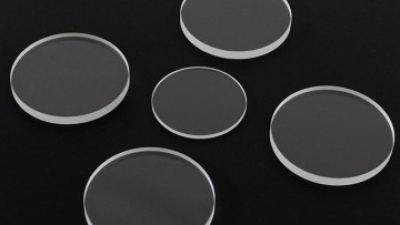
As the global glass industry keeps evolving, China's Ag Glass technology is really gaining more and more importance—especially when it comes to cutting-edge display solutions. Looking ahead to 2025, we’re expecting some exciting advancements in Ag Glass that will be crucial for meeting the rising demand for better visual experiences. This is mainly driven by the booming markets in consumer electronics and automotive displays. A recent market report suggests that the demand for Ag Glass in China is set to grow significantly, possibly hitting over $3 billion by 2025. That’s mainly thanks to the expanding use in AR, VR, and other high-tech gadgets.

Dongguan Fuxin Glass Technology Co., Ltd. is right in the middle of all this change. They've been working in the glass game for over ten years, focusing heavily on R&D. Their deep expertise in Ag Glass, AR Glass, AF Glass, and AM Glass really puts them at the forefront of innovation. As they keep pushing the envelope in glass tech, the collaborations between big industry players and technological breakthroughs are definitely shaping what the future’s going to look like—both in China and beyond.
The Evolution of Ag Glass Technology in China's Digital Landscape
The evolution of Ag Glass technology in China's digital landscape has been marked by significant innovations that harness advanced data analytics and automation. As agriculture faces increasing pressures from climate change and a growing population, Ag Glass technology has emerged as a critical solution, integrating digital tools to enhance crop management. This synergy of technology and agriculture allows for precise monitoring of environmental conditions, leading to improved decision-making processes and resource optimization.
In recent years, the rise of smart greenhouses equipped with Ag Glass technologies demonstrates how data-driven agricultural practices can lead to sustainable outcomes. These smart systems utilize sensors and IoT devices to collect real-time data, enabling farmers to adapt their strategies based on weather patterns, soil conditions, and crop health. As China continues to invest heavily in digital transformation across industries, the advancements in Ag Glass technology not only promise to improve agricultural yields but also contribute to a greener and more efficient agricultural framework for the future.
2025 Top Digital Trends in China Ag Glass Technology and Innovations
| Trend |
Description |
Impact on Agriculture |
Adoption Rate (%) |
| Smart Greenhouse Solutions |
Integration of IoT and AI for monitoring and controlling environmental factors. |
Increased crop yield and optimized resource usage. |
75 |
| Data-Driven Agriculture |
Utilization of big data analytics for decision-making in farming practices. |
Enhanced precision in farming, leading to better crop management. |
68 |
| Automated Farming Equipment |
Usage of robotics and automated machinery in planting and harvesting. |
Reduced labor costs and improved operational efficiency. |
80 |
| Vertical Farming Innovations |
Adoption of vertical farming setups for urban agriculture. |
Maximized space usage and reduced transportation costs. |
50 |
| E-commerce for Agriculture |
Online platforms for selling agricultural products directly to consumers. |
Improved access to markets for farmers and better price realization. |
65 |
Key Innovations Shaping the Future of Agricultural Glass in 2025
In 2025, agricultural glass technology in China is poised for transformative innovations that will redefine farming practices. With the introduction of smart glass, farmers will benefit from enhanced environmental control within greenhouses. This intelligent material can adjust its transparency and thermal properties dynamically, optimizing light and temperature for crop growth. Such advancements will lead to increased yields and reduced energy consumption, aligning with sustainable agricultural practices.

Another key innovation is the development of energy-efficient glass coatings, which improve insulation and reduce heat loss. These coatings will enable year-round cultivation, allowing farmers to grow high-demand crops irrespective of external weather conditions. Additionally, the integration of Internet of Things (IoT) technologies with agricultural glass will facilitate real-time monitoring and data collection, empowering farmers to make informed decisions based on precise environmental conditions. As these technologies converge, they will not only enhance productivity but also pave the way for a more resilient agricultural sector in China.
Impact of IoT and AI on Ag Glass Solutions in China
In recent years, the integration of IoT and AI technologies has revolutionized the agricultural glass (Ag Glass) sector in China. The incorporation of IoT devices in smart greenhouses allows for real-time monitoring of environmental conditions, such as humidity, temperature, and light levels. These sensors not only optimize the growth conditions for various crops but also facilitate efficient resource management, significantly reducing water and energy consumption. By leveraging big data analytics, farmers can make informed decisions that heighten productivity and sustainability.
Artificial Intelligence plays a crucial role in analyzing the vast amounts of data generated by IoT devices. Predictive analytics powered by AI can forecast weather conditions and pest outbreaks, assisting farmers in planning their agricultural practices more effectively. This intelligent approach enhances crop yields while minimizing chemical usage, contributing to environmentally friendly farming. The synergy of IoT and AI in Ag Glass solutions underscores a significant shift towards precision agriculture in China, paving the way for smarter, more efficient farming practices that align with global sustainability goals.
Sustainability Trends in Ag Glass Technology for Modern Agriculture
In recent years, the integration of sustainability into agricultural practices has become paramount, especially in China’s Ag glass technology sector. As highlighted by a report from
Market Research Future, the global market for agricultural glass technology is expected to witness a compound annual growth rate (CAGR) of
9.5% from 2021 to 2027. This growth is largely driven by the demand for advanced glass solutions that enhance crop yields while minimizing environmental impact.
Dongguan Fuxin Glass Technology Co., Ltd. stands at the forefront of this innovation, dedicated to developing cutting-edge Ag glass products that are not only functional but also eco-friendly. With over a decade of expertise in multiple glass fields, Fuxin Glass has pioneered advancements in ag glass formulations that improve energy efficiency and promote optimal plant growth. The introduction of low-emission coatings and high-transmission glass types enhances light availability for plants while reducing energy consumption, aligning perfectly with
sustainability goals in modern agriculture.
Furthermore, the trend towards smart agriculture has led to the adoption of advanced Ag glass technologies that support automated systems and data analytics. According to a report by
Technavio, smart agriculture is expected to represent a significant portion of the agricultural glass market, fostering innovations in greenhouse design and management. Fuxin Glass’s commitment to R&D in AR and AF glass technologies ensures that the agricultural sector can leverage these advancements to create more
sustainable and productive farming environments.
Case Studies: Successful Implementation of Ag Glass Innovations in China
In recent years, China's agricultural glass technology has witnessed remarkable advancements, significantly enhancing crop yield and sustainability. One notable case study is the implementation of photonic glass in the greenhouses of Hebei province. According to a report by the China Agricultural University, the use of photonic glass has increased light transmission by 20%, resulting in a 15% boost in overall production for vegetable crops. These innovations not only optimize light absorption but also improve temperature control, making them essential in the face of climate change challenges.
Another successful example can be found in Jiangsu province, where smart glass technology was integrated into agricultural practices. Implemented by a leading glass manufacturer, the technology utilizes sensors to adjust light and temperature in real time. As highlighted in the 2023 Agricultural Technology Report, farms utilizing smart glass have reported a 30% reduction in energy costs and a significant decrease in chemical pesticide use, leading to a more sustainable farming approach. This trend reflects a larger commitment within China’s agricultural sector to embrace technology for enhancing productivity while ensuring environmental protection.

The Role of Government Policies in Advancing Ag Glass Technology
As China continues its rapid economic transformation, government policies play a pivotal role in advancing Ag Glass technology. The nation's commitment to becoming an innovation leader is reflected in its substantial investments in research and development within the agricultural sector. For instance, a recent report indicates that government initiatives have helped reduce import dependency and promoted domestic glass manufacturing capabilities. These advancements not only enhance agricultural efficiency but also align with China’s broader strategy to enhance global competitiveness in advanced industries.
To leverage these opportunities, stakeholders in the Ag Glass sector should focus on adopting sustainable practices and innovative technologies. Research shows that incorporating green financial innovation can significantly improve agricultural conditions, especially in water-scarce regions of Asia. Companies like Dongguan Fuxin Glass Technology Co., Ltd. exemplify this shift, dedicating over a decade to advancing AG glass solutions that facilitate better crop management and resource efficiency.
**Tip:** Companies should stay updated with government policies and seek collaborations with research institutions to maximize their R&D potential. Investing in advanced manufacturing processes can yield long-term benefits in productivity and sustainability. Emphasizing quality and innovation in Ag Glass production not only meets local demands but helps position firms favorably in the global market.
2025 Top Digital Trends in China Ag Glass Technology
This chart represents the growth of various digital trends in Ag Glass technology in China from 2023 to 2025. It highlights the expected advancements in automation, sustainable practices, and government policies supporting technological innovation.
Exploring the Market Trends and Advantages of Customized Ultra White Tempered Glass Panels in Modern Interior Design: A Data-Driven Review
The rising popularity of customized ultra white tempered glass panels in modern interior design can be attributed to their unique blend of aesthetic appeal and functional advantages. Ultra white glass, characterized by its high purity and transparency, outshines standard glass by offering a transparency level that is 30% higher. This remarkable quality allows it to illuminate spaces more effectively while maintaining a stunningly clear and colorless appearance. As a result, interior designers are increasingly drawn to ultra white tempered glass when creating contemporary spaces that strive for a sleek and minimalist look.
Moreover, the incorporation of tempered glass into the equation adds a layer of durability and safety that cannot be overlooked. The manufacturing process involves heating ordinary glass to extreme temperatures and then rapidly cooling it, which significantly enhances its strength and impact resistance. This combination not only ensures longevity but also provides peace of mind for homeowners and businesses alike, as the risk of breakage or injury is greatly reduced. Such characteristics make customized ultra white tempered glass panels an ideal choice for various applications, from elegant wall partitions to eye-catching tabletops, thereby transforming any interior environment into a sophisticated and resilient setting.
FAQS
: The main technologies are IoT (Internet of Things) and AI (Artificial Intelligence), which are revolutionizing the sector by enabling real-time monitoring and data analysis.
IoT devices in smart greenhouses monitor environmental conditions such as humidity, temperature, and light levels in real time, optimizing growth conditions and improving resource management.
AI helps analyze data collected by IoT devices, providing predictive analytics for weather and pest outbreaks, which leads to better planning and improved crop yields while reducing chemical usage.
In Hebei province, photonic glass has improved light transmission by 20%, resulting in a 15% increase in vegetable crop production, showcasing the effectiveness of technological advancements.
Smart glass technology, which adjusts light and temperature in real time using sensors, has led to a 30% reduction in energy costs and decreased chemical pesticide usage in farms.
The integration of IoT and AI in agriculture promotes precision farming, heightening productivity while minimizing resource consumption and chemical use, contributing to environmentally friendly practices.
These advancements signify a shift towards smarter, more efficient farming practices that enhance productivity and sustainability, reinforcing China's commitment to technological innovation in agriculture.
Agricultural glass technologies improve light absorption and temperature control, which helps in managing the impacts of climate change on crop production and resource management.
The use of IoT devices allows for optimized resource management, leading to significant reductions in both water and energy consumption during agricultural processes.
Big data analytics enables farmers to make informed decisions based on extensive data from IoT devices, which enhances overall productivity and promotes sustainable agricultural practices.
Conclusion
The article "2025 Top Digital Trends in China Ag Glass Technology and Innovations" explores the transformative evolution of agricultural glass technology within China's digital landscape. It highlights key innovations that are poised to shape the future of China Ag Glass by incorporating advanced technologies like IoT and AI, which enhance agricultural efficiency and productivity. Sustainability trends in ag glass are also discussed, emphasizing the growing need for eco-friendly solutions in modern agriculture.
Through insightful case studies, the article illustrates successful implementations of ag glass innovations across China, showcasing their practical benefits. Furthermore, it examines the crucial role of government policies in fostering advancements in ag glass technology, ensuring that the sector remains at the forefront of agricultural development. With over a decade of experience, Dongguan Fuxin Glass Technology Co., Ltd. is well-positioned to contribute to these trends, having specialized in various glass technologies, including ag glass, and continuously pushing for innovations.