Leave Your Message
You know, when it comes to modern construction, picking the right materials is super important. It’s not just about looking good; it’s about keeping things safe too! And let me tell you, Tempered Laminated Glass really shines in this area. This glass isn’t just strong, it’s safe and versatile too, which is why you’ll see a lot of architects and builders reaching for it when they want to create beautiful structures that can stand the test of time. Plus, its shatter resistance and sound insulation? Game-changer! It checks all the safety boxes and adds a nice touch to any building's design.
Here at Dongguan Fuxin Glass Technology Co., Ltd., we're really proud of our ten years in the game, pushing the envelope in various glass specialties, including Tempered Laminated Glass. Our commitment to research and development in things like ag glass, ar glass, af glass, and am glass shows how dedicated we are to innovating. As we dive into the benefits of adding Tempered Laminated Glass to modern construction, we want to share some insights that underscore its vital role in building sustainable and safe architectural marvels.
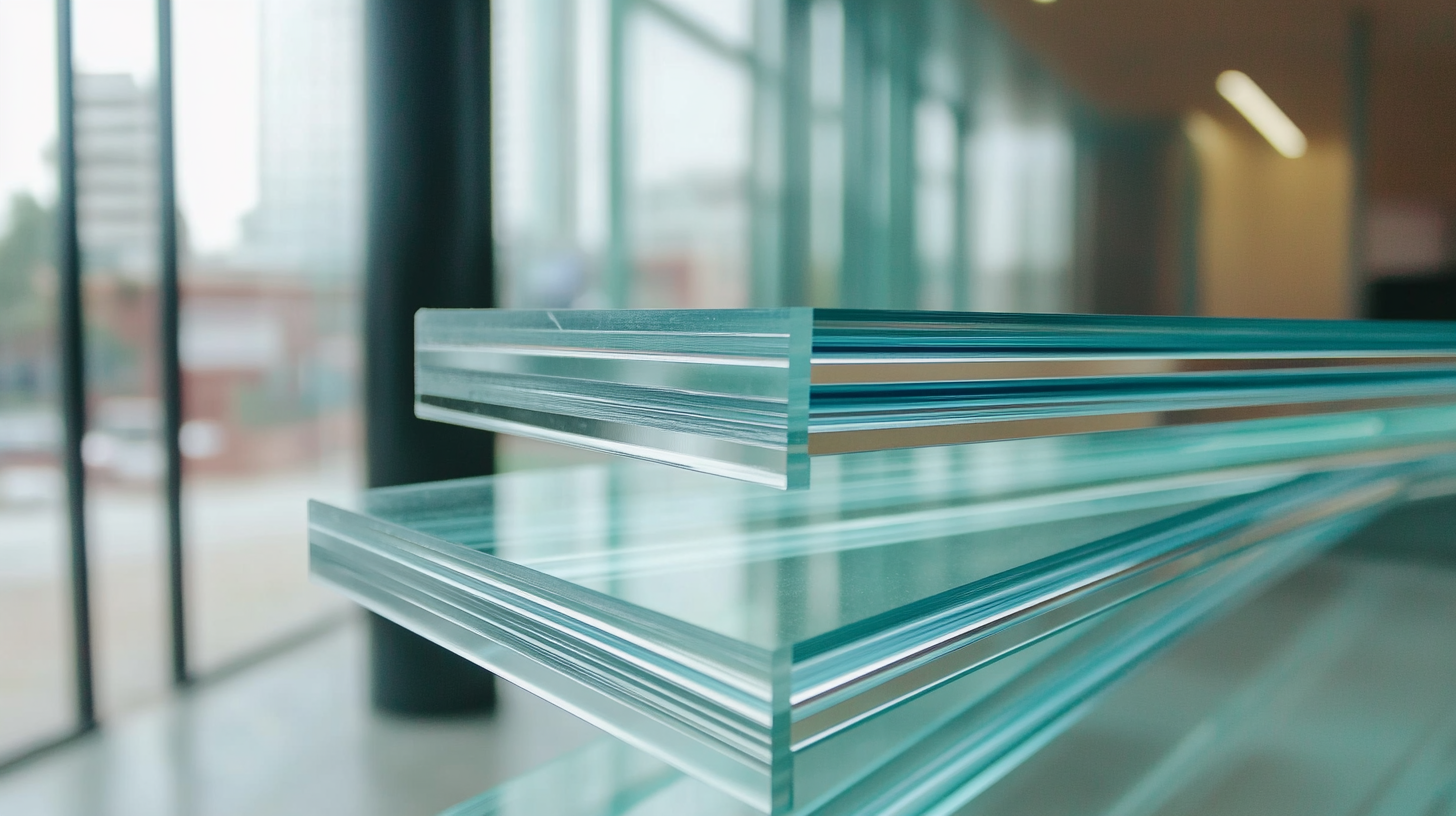
You know, tempered laminated glass is really shaking things up in the world of construction these days, especially when it comes to keeping buildings safe and secure. I mean, it’s not just about looking good; it packs a serious punch in terms of structural strength. The folks over at the Glass Association have pointed out that it's become a go-to for architects and builders alike. Essentially, this glass has a layer of plastic sandwiched between two sheets of tempered glass, and then it gets treated with high temperatures to make it super durable. The cool thing is, if it does break, it doesn’t shatter into a million dangerous pieces; instead, it just clings to the laminate layer. Pretty neat, right? One of the standout perks of tempered laminated glass is how tough it is against impacts. This is huge for places that get hit by wild weather or natural disasters. A report from the International Glass Association even shows that buildings using this type of glass can cut down on injuries and damage by around 60% during storms or accidents. Talk about peace of mind! Whether it’s for homes or businesses, the added security is just invaluable—it really helps to keep those pesky break-ins and vandalism at bay. And let’s not forget about noise! In busy urban areas where it feels like there’s always noise pollution, tempered laminated glass can really make a difference. Some studies say it can tone down sound transmission by up to 38 decibels, which is a game-changer for creating a calmer indoor vibe. With everyone looking for safer, quieter spaces to live and work these days, tempered laminated glass really stands out. It’s like the perfect blend of safety, security, and comfort all rolled into one innovative package!
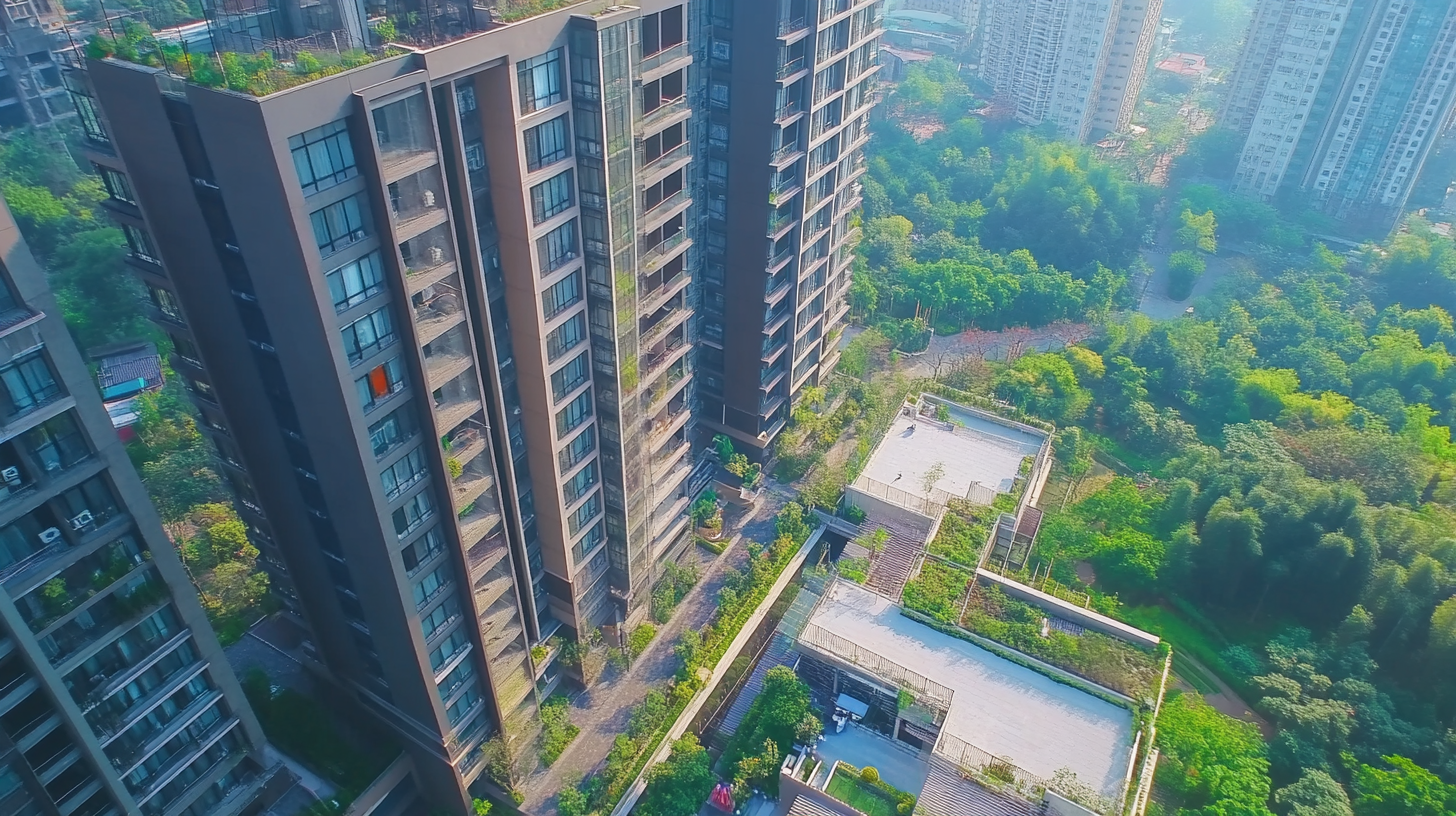
Tempered laminated glass is increasingly becoming a favored choice in modern construction due to its impressive energy efficiency and insulation properties. This type of glass consists of two or more layers of glass bonded together with an interlayer, creating a robust solution that provides enhanced thermal performance. One of the primary benefits is its ability to minimize heat transfer, which helps maintain comfortable indoor temperatures and reduces reliance on heating and cooling systems. Thus, buildings equipped with tempered laminated glass can achieve significant energy savings over time.
Another important facet of tempered laminated glass is its sound insulation capabilities. The interlayer not only serves to strengthen the glass but also acts as an effective barrier against external noise. This is particularly advantageous in urban environments where sound pollution can disrupt the quality of life. Homeowners and businesses alike can enjoy a quieter indoor atmosphere while benefiting from lower energy costs, creating a more pleasant living and working environment.
In addition to these benefits, tempered laminated glass enhances the overall sustainability of a building. With growing concerns about environmental impact, using energy-efficient materials is more crucial than ever. By incorporating tempered laminated glass into construction projects, architects and builders can contribute to reducing the carbon footprint of a structure. This choice aligns with modern building standards that prioritize sustainability, making it a wise investment for those looking to future-proof their designs.

You know, living in the city can be pretty noisy these days. Noise pollution is definitely becoming a big deal, especially with all the hustle and bustle from traffic and factories. As cities expand, keeping a peaceful atmosphere at home or at work is tougher than ever. But here's something cool that's making waves in construction—tempered laminated glass! This stuff not only keeps things safe and sound, but it also helps cut down on noise.
So, how does it work? Well, tempered laminated glass is specially designed to block out sound effectively. It’s made up of layers of glass surrounding a special interlayer that kind of absorbs sound waves, which means less noise sneaking into our homes and offices. That’s super helpful in busy urban areas where the everyday chaos can really mess with your peace of mind. And you know, as more city planners are starting to think about noise reduction, using tempered laminated glass could really make a difference in creating quieter spaces.
Take Tallinn, for example—city planners there are really stepping up their game when it comes to tackling noise pollution. They’re not just making structural changes; they’re also including high-performance materials like tempered laminated glass in new buildings. It’s a smart move that can really boost soundproofing. At the end of the day, by prioritizing these innovative materials, city planners can help make urban life a bit more serene, which definitely improves the quality of life for everyone living there.
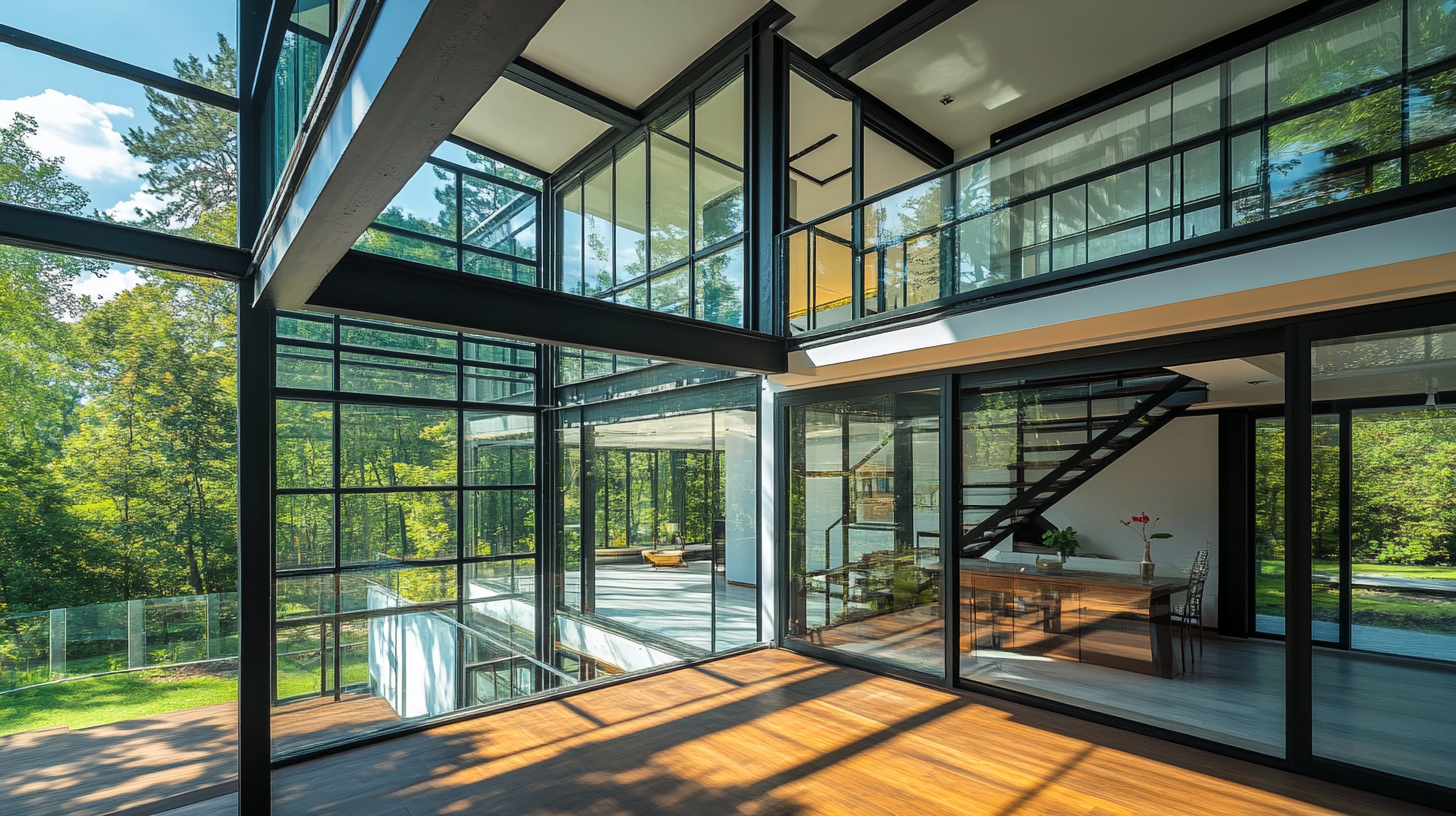
You know, in today’s construction world, laminated glass is really taking center stage. Architects and designers love it, and it’s easy to see why! This stuff is made of several layers glued together with a tough interlayer, which means it's not just about looking good; it also boosts safety and security. And the best part? You can get super creative with it! Whether you want different colors, textures, or even cool printed designs, laminated glass opens up a ton of options for customizing spaces. It's definitely become a go-to material for modern architecture.
Lately, trends in the glass industry—like those tinted glass options from Yorglass—show just how much people are craving decorative glass that’s both functional and stylish. Tinted laminated glass doesn’t just look nice; it also helps with things like solar glare and privacy, which totally jives with today’s focus on sustainability and energy efficiency. Reports are saying the global laminated glass market is set to grow quite a bit, thanks to all the innovations that appeal to both homes and commercial spaces.
Oh, and have you noticed how design is evolving? The new issues of Glass Magazine are spotlighting some seriously cool innovations that bring together fancy designs and top-notch engineering. It’s clear that laminated glass is about way more than just appearance—it's performance, too. As designers keep health and safety in mind for their projects, mixing laminated glass with other innovative materials, like glass timber panels, really shows how committed the industry is to meeting modern hygiene and style needs. I mean, it seems like this trend is sticking around, especially since glass plays such a key role in shaping today’s interiors while offering unmatched design flexibility.
When you think about modern construction, the choice of materials really makes a difference—not just for how a building looks, but also for the long-term costs involved. One option that's really catching attention these days is tempered laminated glass. Sure, it might cost a bit more upfront compared to regular glass, but you know what? The savings you get in the long run can be pretty impressive.
Tempered laminated glass is tough, built to withstand some serious wear and tear, which makes it a great pick for all sorts of projects. Because it's so strong, the chances of it breaking are much lower, which means you'll spend less on repairs and replacements. Plus, it has that extra protective layer that helps with insulation, so you're likely to see lower energy bills, too. Buildings using this kind of glass can keep a more constant indoor climate, which is a win for everyone—especially when it comes to cutting heating and cooling costs.
And let’s not forget the safety perks! If tempered laminated glass does get hit, it shatters in a way that’s not dangerous—no sharp shards flying around. This is super important in busy areas or commercial spaces where accidents could lead to some hefty costs. Investing in tempered laminated glass just makes sense for developers and property owners who want to boost safety while keeping an eye on their budgets.
You know, tempered laminated glass has really become a big deal in modern construction lately. It's not just tough; it's got this amazing durability that helps it stand up to all sorts of environmental challenges. When architects are trying to marry good looks with solid structure, tempered laminated glass totally hits the mark on both counts. One of the coolest things about it is that even if it does break, it stays in one piece — which is super important for safety, especially in tall buildings or places where the stakes are high.
But it’s not just about being strong. This glass also does a fantastic job resisting environmental stress. Seriously, it can handle extreme temperature swings, UV rays, and the weather like a champ, making it perfect for façades and windows, no matter where you are. And here's something neat: thanks to recent breakthroughs in materials science, especially in the world of nanomaterials, we’re learning how to take the properties of concrete to the next level. This means if you combine those enhanced concrete materials with tempered laminated glass, buildings can end up lasting a whole lot longer and being way tougher against nature’s curveballs.
Plus, as the construction industry grapples with the need for sustainability and a smaller environmental footprint, tempered laminated glass fits right in with those priorities. Its longevity means less frequent replacements, which is great for reducing construction waste. And in a time when we’re all facing issues like microplastic pollution, using durable stuff like tempered laminated glass not only adds to the aesthetic and structural quality of buildings but also helps us move towards a more sustainable future in architecture. Pretty cool, right?
You know, tempered laminated glass is really gaining popularity in modern construction these days, and it’s no wonder why. It's strong, super safe, and let’s be honest—it looks great! But before it gets the green light for building projects, there are all these industry standards and certifications it needs to meet to ensure it’s up to snuff. This is absolutely vital for architects, builders, and safety inspectors who are trying to figure out if tempered laminated glass is the right fit for their projects.
One of the key standards is ASTM C1172, which details what laminated architectural glass needs to be like. This particular standard really hones in on how the glass performs under different situations, like how well it can take a hit or how long it lasts. Plus, tempered laminated glass has to follow safety glazing regulations, like those set by the Consumer Product Safety Commission (CPSC). This basically makes sure the glass doesn’t shatter dangerously if it ever breaks. By sticking to these standards, buildings not only become safer but also give a sense of confidence to the folks who will eventually use them—knowing that the product is reliable.
Then there’s the whole certification thing, like SGCC (Safety Glass Certification Council) and IGCC (Insulating Glass Certification Council). These guys really dive into testing and checking everything thoroughly to make sure the glass meets all the necessary criteria. When construction pros choose glass that’s been certified like this, they can feel pretty good about using tempered laminated glass in their designs. It’s like a tick in the box for meeting the highest industry standards!
You know, tempered laminated glass is really shaking things up in the world of architecture these days! Just look at the One World Trade Center in New York City. They use this glass not just because it looks great, but also because it’s super safe. I read somewhere that, according to the Glass Association of North America, tempered glass can take an impact that’s up to five times stronger than untreated glass. That’s why it’s such a go-to choice for those high-rise buildings where keeping everything stable and folks safe is key.
And it’s not just happening in the U.S. Over in Europe, we see the same trend. Take the Elbphilharmonie in Hamburg, for example, which was designed by Herzog & de Meuron. This place really showcases tempered laminated glass on its exterior. It’s a neat choice because it gives those amazing views while also keeping sound out—a total must in such a lively port area! I came across a technical report from the International Glass Association that mentioned laminated glass can cut down sound transmission by as much as 30 decibels. It’s like having the best of both worlds in busy cities.
Let’s not forget projects like the Bosco Verticale in Milan, which is all about being eco-friendly, too. This stunning residential building has double-layered glass that’s not only energy-efficient but also lets lots of natural light flood the interiors. According to the World Green Building Council, using stuff like laminated glass can boost energy efficiency by up to 20%. So, it’s not just about good looks; it’s about being kind to the planet as well. This whole trend really shows how architectural design is evolving to blend safety with sustainability—pretty cool, right?
Tempered laminated glass is a type of safety glass made by sandwiching a layer of plastic between two sheets of tempered glass, which are then subjected to high temperatures to enhance durability and structural integrity.
It is resistant to shattering, adhering to the laminate layer if broken, which minimizes the risk of sharp shards and provides a strong barrier against break-ins and vandalism.
Buildings that use tempered laminated glass can reduce the risk of injury and property damage by up to 60% during storms or accidents due to its ability to withstand significant impact.
It can reduce sound transmission by up to 38 decibels, making it an effective solution for improving indoor tranquility in urban environments with high noise pollution.
One World Trade Center in New York City utilizes tempered laminated glass for its aesthetic appeal and safety features, demonstrating its capability to withstand substantial impacts.
Yes, buildings that incorporate tempered laminated glass can achieve up to 20% more energy efficiency, supporting eco-friendly design alongside aesthetic and safety considerations.
Tempered laminated glass can withstand up to five times the impact of untreated glass, making it an ideal choice for high-rise buildings.
It is used extensively in modern designs, like the Elbphilharmonie in Hamburg, where it provides both aesthetic views and sound insulation in a noisy port area.
It merges safety, security, and comfort, making it a highly effective choice for a wide range of residential and commercial applications.
Its combination of structural integrity, safety features, sound insulation capabilities, and energy efficiency makes it an essential material in modern construction.