Yamywyh

Making anti-fog glass isn't just a simple process — it’s pretty detailed and requires a lot of precision. These special glasses are designed to stop condensation in its tracks and give you a clearer view. Anti Fog Glass Factories are really leading the way when it comes to making this cool stuff. They use some pretty advanced tech to create coatings that actually push moisture away.
First off, the glass pieces are carefully prepared. They cut each one with precision — you know, making sure everything’s up to snuff. Then, a chemical coating is applied, which is super important because that’s what gives the glass its fog-resistant qualities. Sometimes, factories might skip over a few quality checks, and that’s when you get inconsistency in the final product.
After that, the curing stage is just as vital. It helps the coating stick on properly. But here’s the thing — if not done right, the coating might not last as long or work as well. The last step involves thorough testing to make sure the anti-fog features actually do their job and meet industry standards. Manufacturers are always trying to get it just right, but no process is perfect — flaws can still slip through every now and then. All in all, it’s a process that needs constant tweaking and a good eye for detail.
Anti-Fog Glass is designed to prevent condensation on surfaces. This innovative glass is crucial for various applications. Commonly used in eyewear and vehicle windshields, it enhances visibility. Imagine a foggy morning where driving becomes dangerous. Anti-Fog Glass alleviates such challenges, ensuring safety on the road.
In addition to eyewear, several industries benefit from Anti-Fog Glass. Medical equipment relies on this technology, especially during surgeries. Doctors need clear visibility to perform procedures effectively. Foggy lenses can cause distractions. With Anti-Fog Glass, clarity is maintained, promoting better outcomes.
However, not all coatings work perfectly. Some may wear off after time, leading to fogging issues. Users often overlook upkeep, which can diminish performance. It's essential to reflect on how environments impact Anti-Fog Glass. High humidity or temperature changes may affect its efficacy. This creates a need for ongoing innovation in materials and applications.
Anti-fog coatings are crucial for ensuring visibility in various environments.
They are widely used in eyewear, safety glasses, and even medical masks. Materials used for anti-fog coatings often include hydrophilic compounds. These draw moisture away, preventing condensation.
Manufacturers use techniques like dip coating and spray application to create these coatings. It’s a delicate process that requires precision. Too thick a coating can lead to distortion. Too thin may not provide adequate protection. Environmental factors also influence the effectiveness. For instance, humidity levels can affect performance over time.
Developing reliable anti-fog solutions is challenging. Continuous research aims to improve durability and effectiveness under various conditions. Some coatings may wear off quickly, necessitating frequent replacements. A perfect balance of longevity and performance is crucial.
Anti-Fog Safety Glass is one area where ongoing improvements are vital.
Understanding the nuances of different materials helps in optimizing these coatings for better user satisfaction.
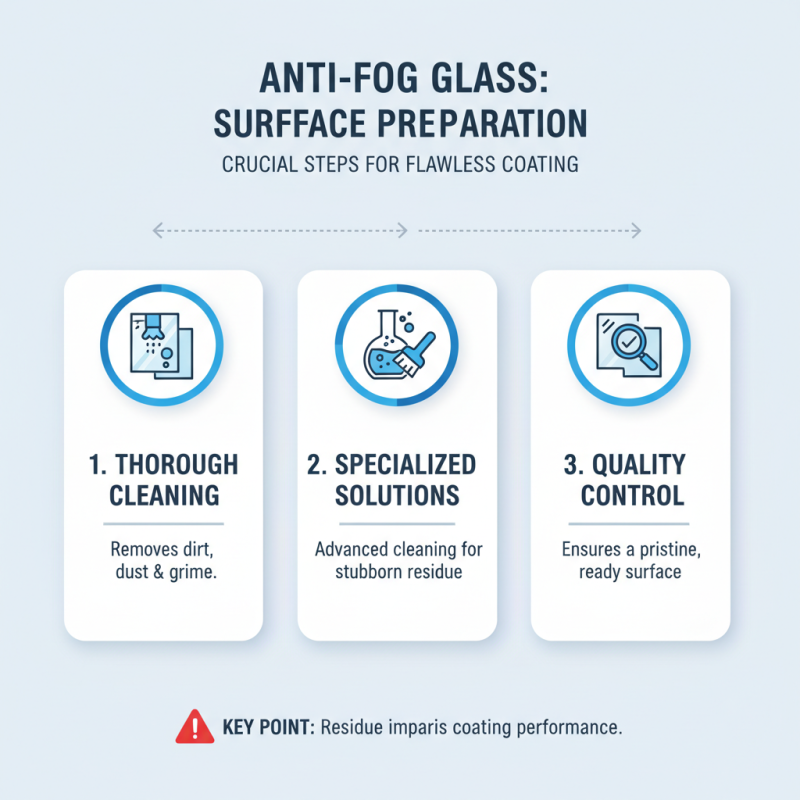
Surface preparation is a crucial step in manufacturing anti-fog glass. It involves several practices to ensure the glass surface is clean and ready for coating. First, the glass sheets are thoroughly cleaned. Any dirt or residue can impair the coating process. A basic cleaning solution is often used, but sometimes it may not be enough. This is where quality control becomes important.
After cleaning, the next phase is etching. This process creates tiny grooves on the glass surface. These grooves enhance adhesion for the anti-fog coating. It's essential to achieve the right depth. Too shallow and the coating might peel off. Too deep, and the glass could weaken. Each batch of glass requires careful attention during this phase. It’s easy to overlook small details, which can lead to larger problems later.
In an Anti Fog Glass Factory, imperfections can arise during surface preparation. There could be unseen contaminants on the glass or improper etching depth. Each issue needs reflection and correction. Even a minor flaw can affect the final product's performance. This emphasizes the importance of rigorous testing after surface preparation. Every step must be checked to ensure the anti-fog properties work effectively.
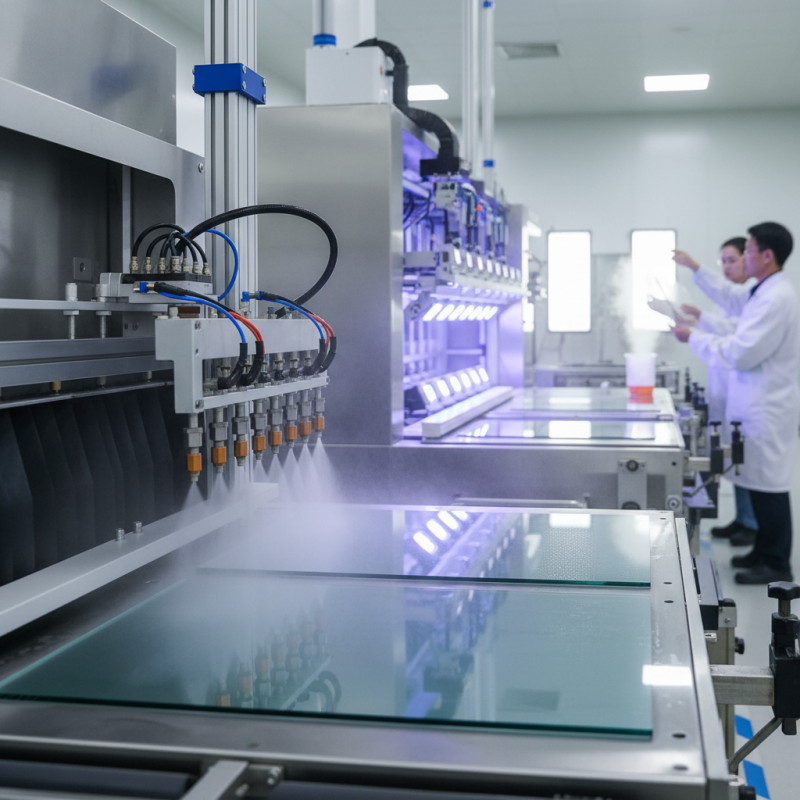
The application of anti-fog coating is a crucial step in manufacturing anti-fog glass. This process typically involves a few key methods. One common approach is the use of spray applications. Workers apply a fine mist of the anti-fog solution evenly across the surface. It’s important to ensure full coverage. Any missed spots may lead to fogging in those areas.
Another technique involves immersion. The glass is submerged in a tank containing the anti-fog solution. This method can be efficient for larger batches. However, controlling the immersion time is vital. Too long can affect the coating’s effectiveness. After application, the glass needs adequate drying time. If not dried properly, the solution may run or create streaks.
Some manufacturers prefer dip-coating for its simplicity. This method can be very effective, but it requires careful handling to avoid damaging the glass. Mistakes can lead to uneven coatings. Refining this step is crucial in achieving the desired anti-fog properties. Observing the results helps in improving the process. It’s a constant learning experience. Each batch may produce different outcomes, prompting further adjustments.
This chart shows the application efficiency of different anti-fog coating types used in the manufacturing process. Coating Type A demonstrates the highest efficiency, followed by Type B and Type C.
The curing and bonding process is essential for manufacturing anti-fog glass. After applying the anti-fog coating, the glass must undergo a curing phase. This step allows the coating to adhere effectively to the surface. Curing often involves exposing the glass to specific temperatures. Too low a temperature can lead to poor bonding, while excessive heat can damage the glass itself.
During this process, manufacturers closely monitor conditions. Humidity and temperature play a crucial role here. An ideal environment promotes durability. However, inconsistencies can lead to ineffective coatings, which may not perform as intended. Some batches might even show bubbles or unevenness in the coating. This is a common challenge that requires careful assessment. Testing each batch for quality is not just important; it’s essential.
Once cured, bonding is the next critical step. A strong bond between the glass and the coating ensures longevity. However, achieving a perfect bond is often complicated. Variations in glass surface treatment may result in weak spots. These potential flaws may affect the end product's effectiveness, leading to user dissatisfaction. Therefore, constant refinement and testing are necessary for the process.
| Process Step | Description | Duration | Temperature | Notes |
|---|---|---|---|---|
| Curing | The application of heat to set the anti-fog coating, ensuring its chemical bonding to the glass surface. | 30 minutes | 120°C | Ensure even heat distribution for optimal results. |
| Bonding | The process of chemically bonding the anti-fog layer to the substrate to prevent delamination. | 1 hour | Varies based on materials used | Requires humidity control to avoid moisture interference. |
| Quality Control | Inspection of the cured product for adhesion strength and clarity. | 15 minutes | Room temperature | Final checks before packaging. |
Testing for anti-fog effectiveness is crucial in the manufacturing of anti-fog glass. Various methods are used to assess performance. One common approach is a condensation test, where glass is exposed to rapid temperature changes. This simulates real-world conditions. Results show that effective anti-fog coatings can reduce fogging by up to 90% under controlled conditions. However, variability can occur due to application techniques.
Quality control is another essential aspect. Regular inspections ensure that coatings adhere properly. Microscopic evaluations can uncover inconsistencies in coating thickness. Industry reports suggest that up to 15% of products may fail initial quality tests. This percentage highlights the need for stringent monitoring. Unexpected results require protocol adjustments. Understanding the factors behind these failures can improve the overall manufacturing process.
Moreover, the durability of anti-fog treatments is a key consideration. Tests often simulate wear and tear, including abrasion resistance. Some coatings might show degradation after a limited number of uses. Balancing effectiveness and longevity remains a challenge for manufacturers. Continuous improvements are needed to meet customer expectations and industry standards. The process demands constant reflection and innovation to enhance product quality.
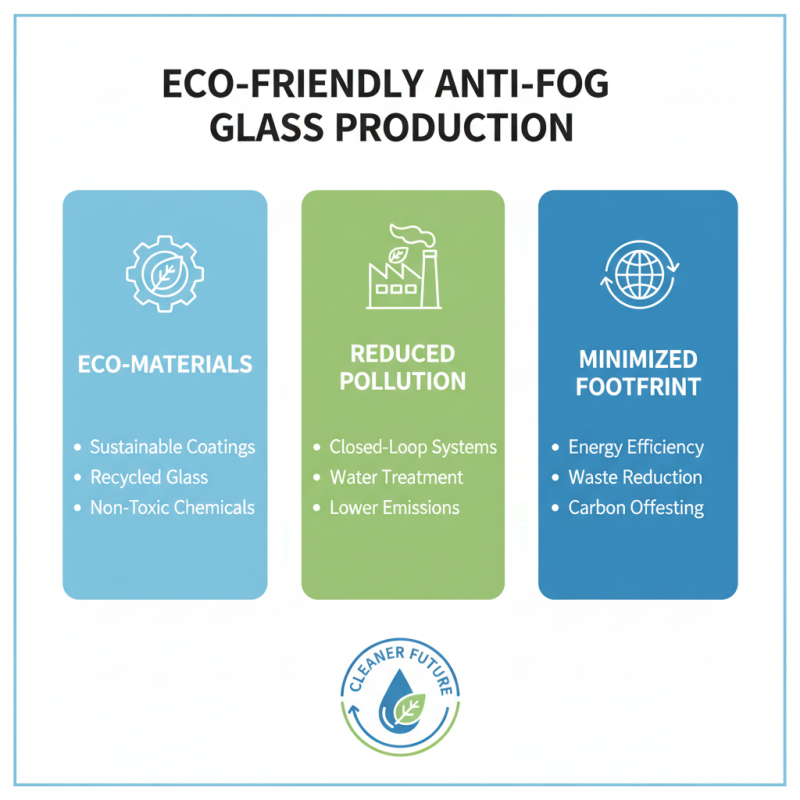
In the production of anti-fog glass, environmental considerations play a crucial role. The process often involves chemicals that can harm the environment if mishandled. Manufacturers must choose eco-friendly materials to minimize their carbon footprint. Developing sustainable practices can help reduce waste and pollution.
For instance, using recycled materials in the production process can significantly lower resource consumption. Additionally, companies should ensure proper disposal methods for any chemical byproducts. This prevents harmful substances from contaminating local ecosystems. By prioritizing these practices, the industry can move towards greener manufacturing.
**Tips:** Consider the life cycle of materials during production. Opt for biodegradable options whenever possible. When choosing products like a Round Anti Fog Mirror, think about its environmental impact.
Improving energy efficiency is another area of concern. Investing in renewable energy sources can significantly reduce emissions. Many manufacturers overlook this aspect, yet it is essential for a sustainable future. Small changes can lead to substantial benefits for our planet.
The market for high strength ultra-thin coated glass has seen significant growth in recent years, driven by the increasing demand for reliable and visually appealing optical displays. Industry reports indicate that the global ultra-thin glass market size is projected to reach USD 9.8 billion by 2025, growing at a CAGR of 14.4%. This surge is largely attributed to advancements in display technologies and the need for high-performance materials that can meet diverse consumer demands.
One of the standout features of ultra-thin tempered cover glass, with thicknesses ranging from 0.1mm to 2mm, is its exceptional strength combined with extraordinary lightweight properties. The specialized coatings applied to these glasses—such as Indium Tin Oxide (ITO) and Anti-Reflective (AR) layers—not only enhance touch sensitivity but also significantly reduce glare and resist fingerprints. According to recent studies, displays utilizing high-strength ultra-thin coated glass exhibit improved optical clarity, resulting in better user experiences across devices like smartphones, tablets, and interactive kiosks.
Furthermore, as consumer preferences shift towards lightweight and sleek designs, manufacturers are increasingly adopting these advanced materials. Reports show that more than 60% of display manufacturers are prioritizing the integration of ultra-thin glass in their products, recognizing its role in elevating product performance and aesthetic appeal. With the ongoing technological innovation and rising consumer expectations, the high strength ultra-thin coated glass market is poised for continued expansion, bringing enhanced durability and optical excellence to the forefront of optical display solutions.
: The article aims to provide insights into a specific topic. It discusses the various aspects comprehensively.
The intended audience includes individuals interested in gaining knowledge about the topic. This might include students or professionals.
Yes, the article highlights several misunderstandings. These misconceptions often lead to confusion among readers.
Practical experience offers real-world insights. It complements theoretical knowledge and enhances overall understanding.
Effective communication is crucial. Engaging with others helps to clarify complex ideas and learn from different perspectives.
Continuous learning is key. Reading, practicing, and discussing with peers can deepen comprehension.
Applying new knowledge can be difficult. Misunderstanding concepts and the lack of resources may hinder progress.
Yes, the information can be applied practically. However, readers should adapt the ideas to fit their context.
Reflection encourages critical thinking. It allows readers to assess their understanding and identify areas for improvement.
Personal motivation can drive engagement. Without it, retaining information and applying it might become challenging.
The manufacturing process of anti fog glass involves several critical steps to ensure the product's effectiveness and durability. Initially, the glass surface undergoes thorough preparation to enhance its adhesion properties. Anti fog coatings made from various materials and technologies are then applied to create a hydrophilic surface that minimizes fog formation. Subsequently, a curing and bonding process is employed to ensure that the coating properly adheres to the glass, which is essential for the longevity of the product.
Anti fog glass factories also emphasize testing methods to evaluate the coating's effectiveness and maintain quality control throughout production. Additionally, environmental considerations play a significant role in the manufacturing process, ensuring that the production methods are sustainable and responsible. Overall, the combination of advanced technologies and meticulous processes enables the production of high-quality anti fog glass suitable for various applications.