Leave Your Message
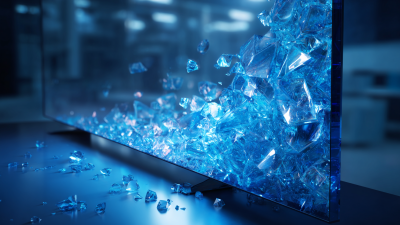
You know, when you think about it, Display Glass is becoming more and more important in today’s tech world. Screens are everywhere — on our phones, tablets, TVs, you name it. I recently came across a market report saying that the global display glass industry could hit over $100 billion by 2025. That’s a huge jump, mainly because everyone wants crisper, high-resolution screens with snazzy touch features.
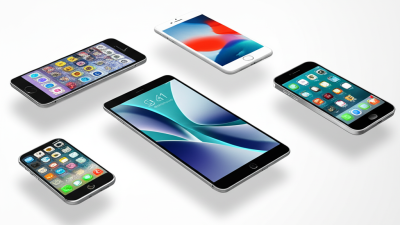
And honestly, Dongguan Fuxin Glass Technology Co., Ltd. has been riding this wave for over ten years. They've been doing some pretty cool stuff across different types of professional glass, like AG glass, AR glass, AF glass, and AM glass. Their R&D efforts really show how committed they are to making display tech better — more durable, more reliable.
As this industry keeps growing and changing, one thing’s for sure: display glass is a key player in delivering those awesome visual experiences we all love. It’s pretty exciting to see how much this tiny bit of glass can influence what we see every day, right?
You know, the way display glass technology has evolved in consumer electronics over the past few decades is pretty incredible. Remember the bulky old CRT screens? They were everywhere back in the day, made with thick glass that made gadgets kinda heavy and not exactly portable. Then, bam! We moved to flat-panel tech like LCDs and OLEDs, and everything changed. According to a 2022 report from IDC, LCD screens still hold a major chunk of the market, accounting for over 75%. But it’s clear that OLED is gaining ground—some estimates say it might grab around 30% of the market by 2025, thanks to its awesome color quality and lower energy use.
As tech keeps rolling forward, we’re also seeing cool innovations like Corning's Gorilla Glass. It’s more durable, scratch-resistant, and perfect for all those portable devices we carry around all the time. Plus, a recent report from MarketsandMarkets projects the global market for specialty glass to hit $99 billion by 2025—that’s crazy! It really shows how much people want better, more advanced display materials.
Today, manufacturers are trying to make screens that are thinner, lighter, but still keep the high resolution and vivid colors we love. So, if you’re shopping for new gadgets, it’s a smart idea to look for devices with the latest display glass tech—this’ll give you better performance and help your device last longer. And hey, don’t forget to think about the environment, too. Supporting brands that use eco-friendly practices in making their products is a good move. Upgrading your phone or tablet with materials like Gorilla Glass can really boost its durability, meaning fewer replacements and less waste in the long run."
| Technology Type | Glass Composition | Thickness (mm) | Application | Key Features |
|---|---|---|---|---|
| LCD | Soda-lime Glass | 0.5 - 2.0 | Televisions, Monitors | Good light transmission, cost-effective |
| OLED | Corning Gorilla Glass | 0.3 - 1.2 | Smartphones, TVs | High durability, lightweight |
| QLED | Tempered Glass | 0.5 - 3.0 | High-end televisions | High brightness, enhanced color accuracy |
| MicroLED | Ultra-thin Glass | 0.2 - 0.7 | Future display tech | Self-illuminating pixels, high efficiency |
| Flexible Displays | Polyimide Glass | Wearables, Foldable phones | Bendable, lightweight |
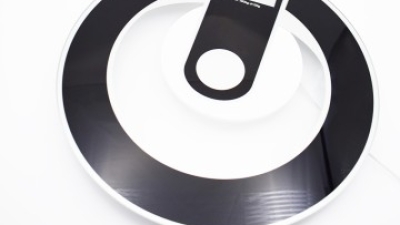
In the realm of precision weighing, the choice of materials significantly impacts both functionality and aesthetics. Our premium custom 5.56mm round edge panel glass exemplifies the ideal solution for enhancing the durability and appearance of weighing scales. Each glass panel is meticulously crafted to ensure optimal performance, making them indispensable in various weighing applications. With silk screen printing options, users can effortlessly personalize their glass surfaces, showcasing brand logos or custom designs that not only reflect professionalism but also enhance brand visibility.
The advanced tempered glass method employed in the production of our panels ensures exceptional strength and safety, providing a reliable solution for daily usage in diverse environments. This robust construction means that our glass is not only aesthetically pleasing but also engineered to withstand the rigors of regular operation, thereby extending the lifespan of your weighing scales. Furthermore, we understand that each business has unique requirements, which is why we offer custom shapes and sizes. This flexibility guarantees a perfect fit, ensuring that your weighing scales maintain both functionality and visual appeal. Let us assist you in discovering the ideal glass panel solutions that will elevate your weighing systems to the next level.
: Display glass is essential for the functionality and aesthetics of various devices, providing durability, optical clarity, and enhancing user experience.
Advanced display glass is engineered to resist scratches and impacts, ensuring devices maintain clarity and usability over time. Gorilla Glass is a notable example known for its strength.
Optical clarity enhances light transmission and minimizes reflection, leading to vibrant colors, sharp images, and improved energy efficiency in devices.
Display glass is critical for the aesthetic appeal, interactivity, and performance of smart home devices, enabling innovative applications and enhancing user experience.
Consumers should look for the level of interactivity offered, such as touch and gesture control, and consider energy-saving features from smart dimming films.
The display glass market for smart home technology is projected to grow significantly, reaching an estimated value of over $1.4 billion by 2032.
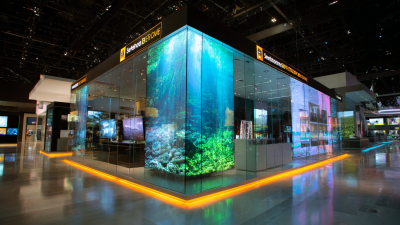
Events like the Shenzhen International Touch and Display Exhibition showcase rapid innovations in display technology and are excellent opportunities for consumers and professionals to explore new advancements.
Anti-reflective coatings optimize visibility in various lighting conditions, making display glass more versatile and indispensable for modern devices.
Display glass isn’t just a fancy feature—it's actually a pretty big deal in today's tech world. It’s a key part of all sorts of gadgets, making our screens look better and more vivid. Over the years, we've seen this stuff evolve a lot—think AG glass, AR glass, AF glass, and AM glass—each playing a crucial role in everything from smartphones to smart home devices. What really matters are qualities like durability, clarity, and how well light passes through; these make sure the visuals are sharp and high-quality.
Lately, we're seeing some pretty cool uses of display glass in smart homes, where it fits right into everyday life without a fuss. And in gaming and entertainment, display glass totally ups the ante—creating immersive, interactive experiences that pull you in. Looking to the future, the next-gen display glass is set to keep pushing the boundaries of what's possible, opening doors to even more advanced tech across different fields. Companies like Dongguan Fuxin Glass Technology Co., Ltd. are really leading the way, pushing the envelope with R&D to make these innovations happen.