Starting a new project that uses glass? One of the biggest decisions you'll face is picking the right type of glass to match your needs. Out of all the options out there, High Transparency Glass really stands out — thanks to its amazing clarity and sleek look, it's become a go-to choice for modern buildings and display setups. Here at Dongguan Fuxin Glass Technology Co., Ltd., we've poured over ten years into researching and developing the best products in this space. We've been experimenting with all kinds of innovations in AG, AR, AF, and AM glass to offer top-notch solutions.
When you're choosing, it’s super important to get a handle on what makes each type of High Transparency Glass unique — including their strengths and possible pitfalls. Don’t worry, though — this blog is here to walk you through the key points so you can make smart, informed decisions for your next project.
Key Factors to Consider When Selecting High Transparency Glass
Picking the right high-transparency glass really can make or break your project. There are actually quite a few things to think about here because different factors can significantly affect how well the glass performs and whether it’s the right fit. First off, you gotta ask yourself—what’s the main purpose of this glass? Is it for building facades, consumer gadgets, or some fancy display? Each of these uses calls for different levels of transparency and toughness. It’s super important to check out things like how much light the glass lets through and how clear it looks, so that it not only works perfectly but also adds to the overall look of what you’re creating.
Then, don’t forget to consider where the glass will be used. Will it face harsh sunlight, weather, or outdoor conditions? For outdoor stuff, features like anti-reflective coatings can really help cut down glare and boost visibility. Also, make sure the glass you choose meets all the safety and durability standards—it’s a no-brainer. Companies like Dongguan Fuxin Glass Technology Co., Ltd. put a big emphasis on being innovative with different glass types like AG, AR, AF, and AM to match various client needs. By keeping these things in mind, you’ll be able to make a smarter, more informed choice that lines up perfectly with your vision and project requirements.
Understanding Different Types of High Transparency Glass Materials
When you're on the hunt for high transparency glass for your upcoming project, it’s really helpful to understand the different kinds out there. You’ve probably heard of the usual suspects: tempered glass, laminated glass, and low-iron glass. According to a report from Grand View Research, the worldwide glass market is expected to hit around USD 250 billion by 2025, and high transparency glass is a pretty big player because more architects and builders are really into it for sleek designs and energy-efficient buildings.
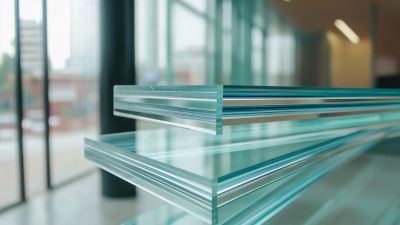
Laminated glass is especially popular when safety is a concern. You see it often in skylights or building facades. It’s made of two or more layers of glass with a special interlayer in the middle — which not only keeps it see-through but also makes it tougher and less likely to break on impact. Then there’s low-iron glass, which is super clear, letting almost 90% of light pass through—making it ideal for displays, galleries, and those wow-factor windows.
**Quick tip:** When you're choosing high transparency glass, it’s worth thinking about the environment and how the glass impacts energy use. Picking options that meet energy efficiency standards can help cut down your energy bills and make your project more eco-friendly.
**Another thing:** Think about where you’re planning to use the glass. For outdoor stuff, tempered glass is usually the way to go because it’s strong and can handle thermal stress—so it won’t break easily. For indoor projects, laminated glass could be better, especially if you want extra noise insulation. It all depends on what you need the glass to do.
Evaluating Optical Clarity and Light Transmission Specifications
So, when you're picking out high transparency glass for your project, it’s super important to look at how clear and how much light it lets through. Recent market reports show that top-notch glass can have light transmission rates over 90%, which really makes a difference in how a space looks and feels. This is especially key in places like museums or galleries, where you want tons of natural light but without annoying glare or distortion.
Another thing to keep in mind is optical clarity—basically, how clear the glass appears, which is measured by its haze percentage. Experts generally say that for premium glass, the haze should be below 1%. That way, the view stays sharp, and colors stay true to life. According to the Glass Association, glass with lower haze not only improves visibility but also boosts the overall vibe, especially in retail settings where showing off products is a big deal. Long story short, paying attention to these details helps ensure your choice isn’t just about meeting standards but actually elevates the look and function of your space.
High Transparency Glass Optical Clarity and Light Transmission
Assessing Durability and Strength for Your Project Needs
When you're choosing high-transparency glass for your project, it’s really important to think about its durability and strength. Sure, clear glass can make a space look stunning, but if it’s not strong enough, it might not do the job safely or hold up in everyday use.
A good place to start is by looking at the type of glass — tempered and laminated options are usually the way to go since they resist breaking better and handle environmental stresses a lot more. Plus, they’re crystal clear and can take a pretty good hit, making them perfect whether you’re working on a home or a commercial space.
Also, don’t forget about the thickness. If you’re dealing with areas that see a lot of foot traffic or where safety really matters, grabbing thicker glass can make a big difference in how tough and long-lasting it is. And, it’s smart to check out certifications like ASTM or ISO standards — they give you a good idea of how well the glass performs. Taking all these bits into account will help you pick a glass that not only looks great but also keeps everyone safe and stands the test of time for whatever you’re working on.
Comparing Cost and Performance of High Transparency Glass Options
When you're starting a project that calls for high-transparency glass, it’s really important to check out different options, weighing both the cost and how they perform. And honestly, high transparency glass isn’t just about looking good — its clarity and how much light it lets through can seriously affect the overall result. Recent industry reports show that the ideal transparency level usually falls between 90% and 99%, but prices vary quite a bit depending on how it’s made and the quality of the materials used. Companies like Dongguan Fuxin Glass Technology Co., Ltd. are leading the way with specialized glass types, like AG and AR coatings, helping clients hit specific performance goals without breaking the bank.
**Tip:** When choosing high transparency glass, don’t just focus on the price at first glance — think about how it will perform in the long run. Investing a bit more in better quality glass can save you money on maintenance down the line and even boost energy efficiency.
The performance of this glass can also change depending on things like surface treatments and thickness. For example, AR (anti-reflective) glass usually cuts down on reflections, which makes it way better for visibility and user experience, especially in busy display areas. Some reports say that with these specialized coatings, you can get about 10% more light transmission, making everything look sharper—whether it’s at home or in a commercial space.
**Tip:** Make sure to ask your suppliers for detailed specs and performance details so you can make a smart choice that fits your project's specific needs.
How to Choose the Best High Transparency Glass for Your Next Project - Comparing Cost and Performance of High Transparency Glass Options
| Glass Type |
Transparency (%) |
Cost per sq. ft. ($) |
Thermal Performance (U-value) |
Weight (lbs/sq. ft.) |
| Clear Float Glass |
90 |
$10 |
0.95 |
2.5 |
| Low-E Glass |
91 |
$15 |
0.30 |
2.5 |
| Tempered Glass |
88 |
$12 |
0.43 |
2.6 |
| Laminated Glass |
85 |
$20 |
0.52 |
2.7 |
| Insulated Glass |
89 |
$18 |
0.31 |
2.5 |
Sustainability Considerations in High Transparency Glass Choices
So, when you're picking out high-transparency glass for your next project, don’t forget to keep sustainability in mind. It’s not just a cool trend anymore; it’s pretty much essential — especially with everyone’s growing environmental concerns and ever-increasing demand for eco-friendly stuff. Have you heard about things like engineered transparent wood? It’s pretty exciting because it gives you that sleek, modern look but with a much lighter impact on the planet compared to traditional glass.
**Tip 1:** Always check for certifications and eco-labels on your glass. Recycled glass or options made through environmentally friendly methods usually mean a smaller carbon footprint. It’s a little thing, but it adds up!
And get this — the tech world is also stepping up. Switchable glazing, or smart glass, is totally changing the game. These fancy windows can adjust based on the weather outside — think blocking heat on a hot day or letting in warmth when it’s chilly. Not only does this make your building more comfortable, but it also saves energy, which is pretty awesome. Bringing in these kinds of tech means your project isn’t just sustainable — it’s also super functional and modern.
**Tip 2:** Think about the long-term benefits of using sustainable glazing. Stuff that helps save energy can really pay off — you'll see lower utility bills, and your property might even be worth more over time. It’s definitely worth considering those future gains while making your choices today.
Choosing the Perfect Display Glass Cover: A Comprehensive Guide for Your Product Needs
When selecting a display glass cover for your products, understanding the benefits of anti-glare (AG) and anti-reflection (AR) technologies is crucial. Display cover glass, specifically treated to enhance visual clarity and user interaction, plays a significant role in various devices, from smartphones to industrial displays. According to a recent industry report, the global demand for display cover glass is projected to reach $19.5 billion by 2025, reflecting a compound annual growth rate (CAGR) of approximately 7.4% from 2020. This growth can be largely attributed to the increasing need for high-quality visual displays in consumer electronics.
The integration of AG and AR coatings can significantly improve viewing experiences, especially in brightly lit environments. These coatings minimize glare and reflections, ensuring that users can see the display content clearly under varying light conditions. A survey conducted by a leading market research firm revealed that 88% of consumers prefer devices with screens that feature effective anti-glare properties. For manufacturers, choosing the right display cover glass not only enhances the performance of their product but also elevates user satisfaction, making it a vital consideration in product design.
As you consider your options for display glass covers, it's essential to analyze your product's usage environment and the viewing preferences of your target audience. By choosing glass covers that feature advanced AG and AR technologies, you can create a product that stands out in a competitive market, ultimately driving sales and customer loyalty.
FAQS
: Key factors include the intended application, light transmission properties, optical clarity, environmental conditions, and compliance with industry standards for durability and safety.
High-quality glass can achieve light transmission levels exceeding 90%, which is crucial for maximizing natural light and minimizing glare in applications like museums and galleries.
Optical clarity is measured by haze percentage; premium glass should have a haze of less than 1% to ensure clear vision and accurate color rendering, enhancing visibility in retail and other environments.
Sustainability is essential due to consumer demand and environmental concerns; opting for eco-friendly materials can significantly reduce ecological impact.
Look for certifications and eco-labels, as well as options like recycled glass or glass produced with environmentally friendly methods that have a lower carbon footprint.
Switchable glazing technologies allow glass to adapt to external conditions, improving thermal comfort and reducing energy consumption, thereby enhancing the sustainability of a project.
Investing in sustainable glazing can lead to lower utility costs and increased property value over time, making it a financially wise choice.
Anti-reflective coatings improve visibility and reduce glare, especially in outdoor applications, enhancing the overall user experience.
Evaluate the glass's specifications, including optical clarity and light transmission, and verify compliance with relevant industry standards to ensure it meets durability and safety requirements.